
Don't just feed your child. Help them learn how to eat.
MONTESSORI APPROACH TO NUTRITION AND JOYFUL EATING
From their first feeds to the family table, discover a Montessori approach to nurturing independent, focused and joyful eating — without pressure, bribing or screens becoming the centre of mealtimes.
Loading....
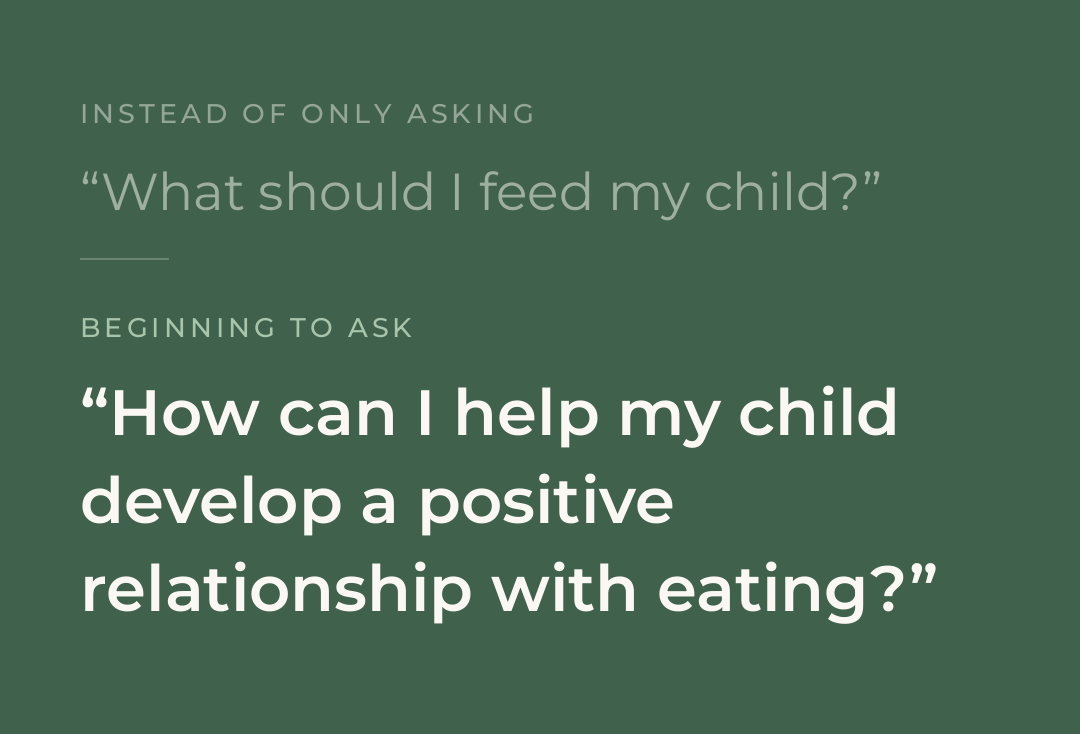
We spend so much time asking:
“What should my baby eat?”
But perhaps there is another question worth asking:
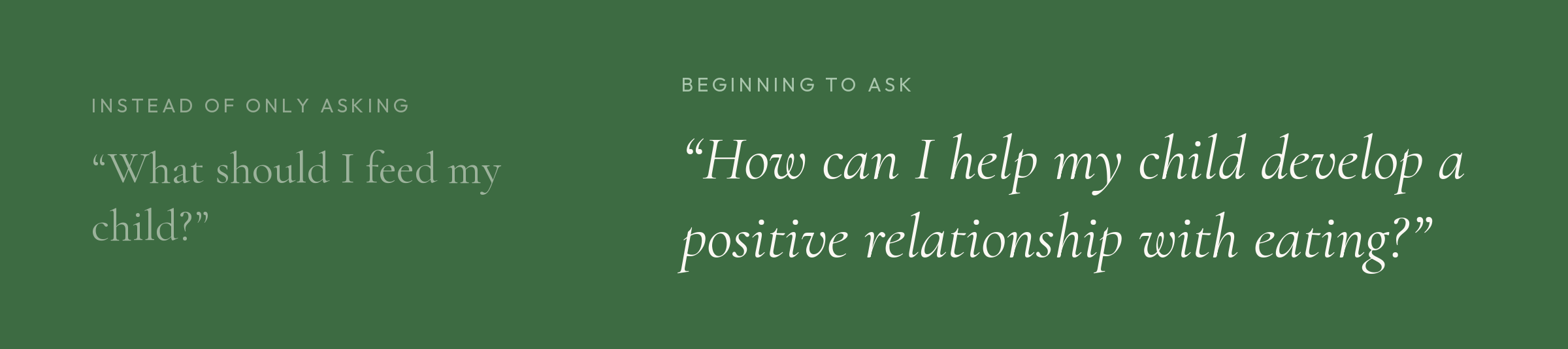
“How do I want my child to learn to eat?”
Because the habits developing around the table aren't only about broccoli, purées or finger foods. Your child is also learning:
-
Who feeds me?
-
Do I get to listen to my body?
-
Can I feed myself?
-
Do I need a screen to eat?
-
Is food something I explore and enjoy — or something I am persuaded to finish?
This course helps you become more intentional about those answers.
Does mealtime sometimes look like this?
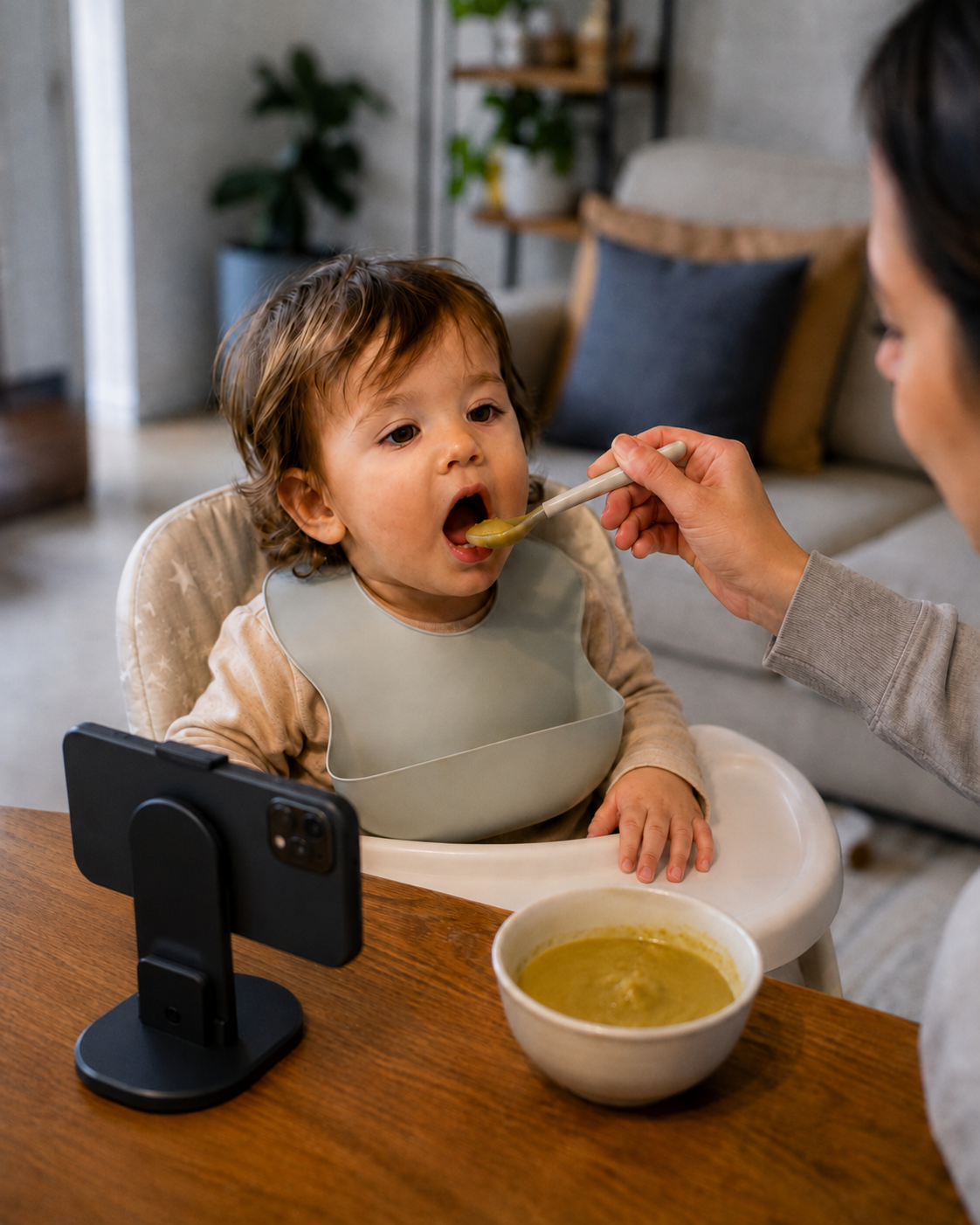
- You prepare something nutritious
- Your child turns away.
- So you try another spoonful.
- Then another.
- You distract them.
- You negotiate.
- You put something on the phone because at least they're eating.
And eventually, the meal is finished.
But you're left wondering: is there another way?
There is.
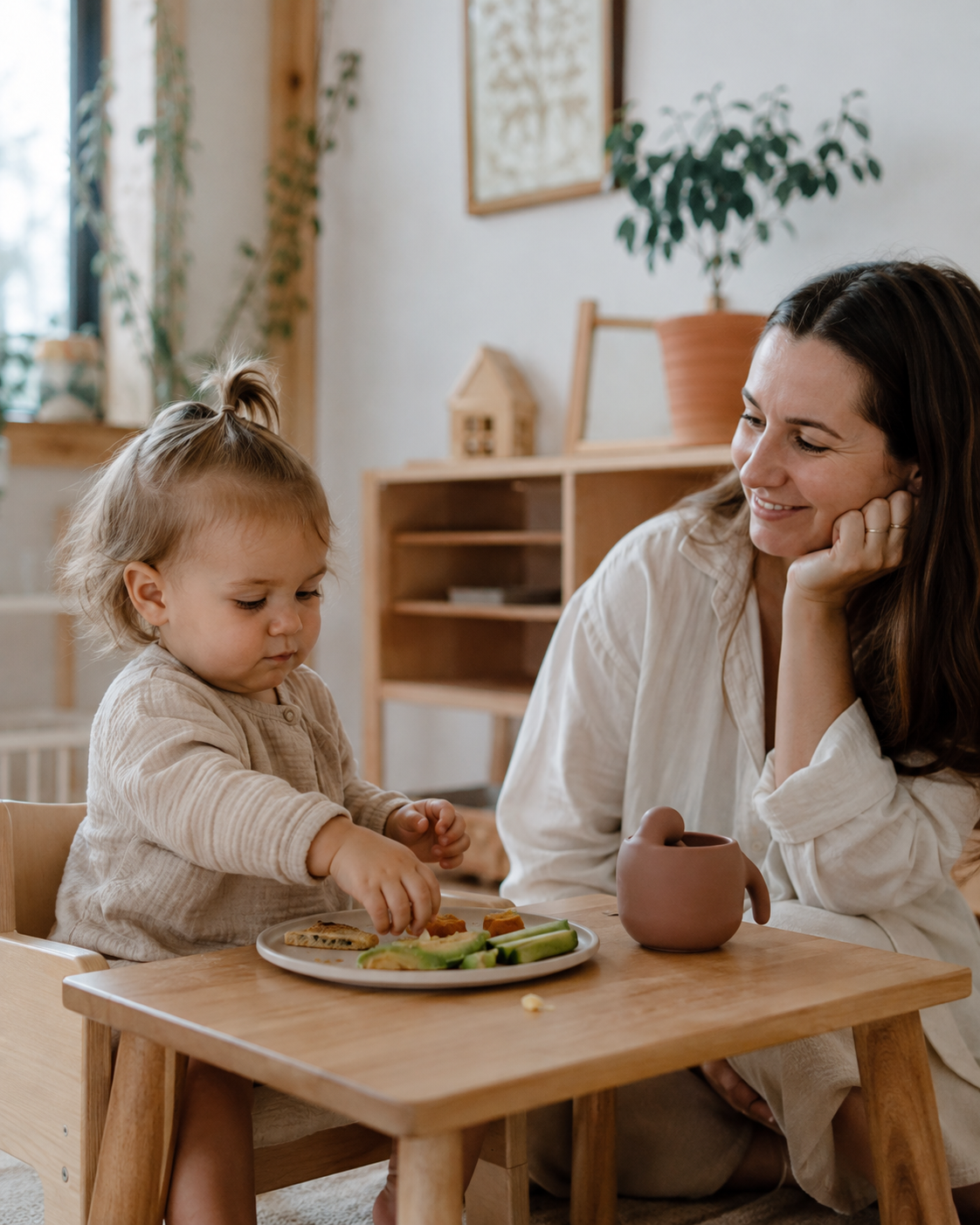
A respectful way to help your child participate in eating, gradually building the skills, concentration and independence to do more for themselves.
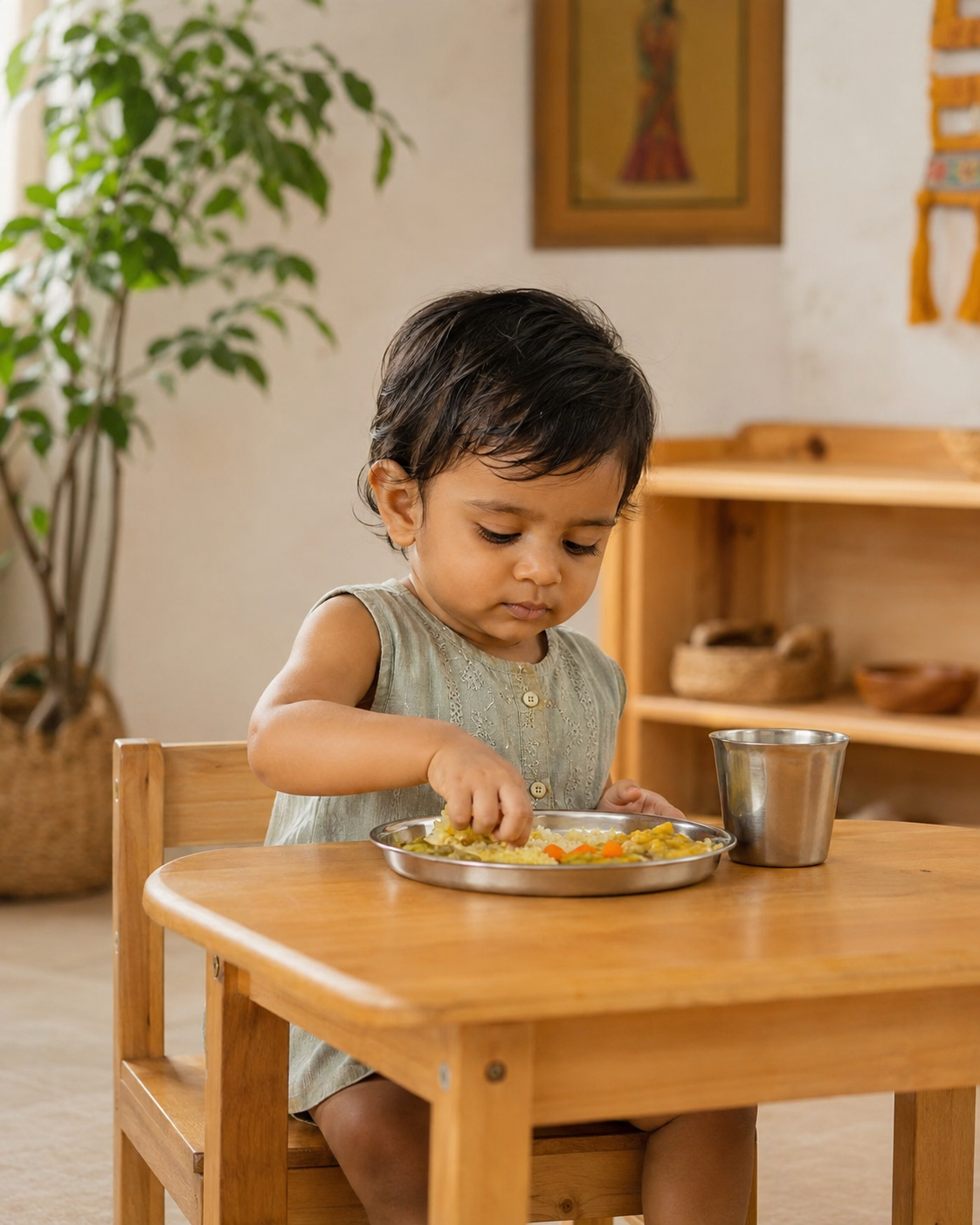
Feeding is something we do for a baby.
Learning to eat is something we help an infant or toddler do for themselves.
That small distinction changes the way we approach the table.
And it sits at the heart of the Montessori Approach to Nutrition and Joyful eating.
Montessori Approach to Nutrition and Joyful Eating
A Montessori-rooted guide to feeding, solids, self-feeding and mealtime independence
This isn't simply another course about what foods to introduce and when. You'll explore how the environment, your responses, your child's developmental readiness and the opportunities you give them can all shape their experience of food.
This is what your child's journey through joyful eating can look like
Open the modules to learn more.
-
Introduction to Montessori
- Background On Dr. Maria Montessori
- Tenets Of The Montessori Philosophy
- How can you as a parent support your child by embracing Montessori Principles
- About Me
-
0–3 Months: The Foundations of Respectful Feeding
- Feeding Basics
- Montessori Approach to Newborn Feeding
-
4–6 Months: Preparing for Baby-Led Weaning & a Positive Relationship with Food
- Why Baby-Led Weaning?
- Practical Tips for Baby-Led Weaning
- What is Ellyn Satter’s Division of Responsibility
- Overview of the Child's Role in the sDOR
- Overview of Parental Responsibilities in sDOR
- Implementing BLW and or/ sDOR in alignment with Montessori Principles
- Benefits & Challenges of BLW and sDOR
-
7–9 Months: Weaning, Solids & Growing Independence
- Preparing for Weaning and Self-Feeding the Montessori Way
- Transitioning to Solid Foods
- Encouraging Self-Feeding Skills
- The Montessori Perspective on Mess and Cleaning during BLW
- The Early Stages: Messy but Important
- Tips for Managing the Mess
-
10–12 Months: Joining the Family Table
- The Role of the Family Meal and Shared Mealtime
- Benefits of Shared Mealtime
- Involving Your 10–12-Month-Old in Family Meals
- Montessori Meal Setting
- The Montessori Perspective on Highchairs
- Introducing Cutlery
- Significance of Child-Sized Utensils for 10-12 Month Olds
- Significance of Child-Sized Furniture for 10-12 Month Olds
- How to Introduce Child-Sized Dining Essentials?
- Why Use Real, Non-Toxic Cutlery?
- Introducing Glass and Steel Utensils
-
13–15 Months: Building Focused, Joyful & Independent Mealtimes
- Montessori’s Approach to Mealtime
- Benefits of a Weaning Table
- Setting Up a Montessori Weaning Table
- Introducing a Variety of Foods in a Respectful, Child-Led Manner
- Enhancing Coordination through Mealtime
- Creating a Supportive Eating Environment
- Fostering Concentration During Mealtime
-
16–18 Months: Self-Regulated Eating & Practical Life
- Guiding Principles for a Balanced and Self-Regulated Approach to Eating
- Involving Your Child in Meal Preparation
- Practical Life Meal Preparation Activities for 16-18 month old toddlers
-
18+ months and onwards - Confident and Food Loving
- Reintroducing Disliked Foods
- How to involve your child in food preparation and table setting
-
Resources
- Resources
-
Disclaimer
- Disclaimer



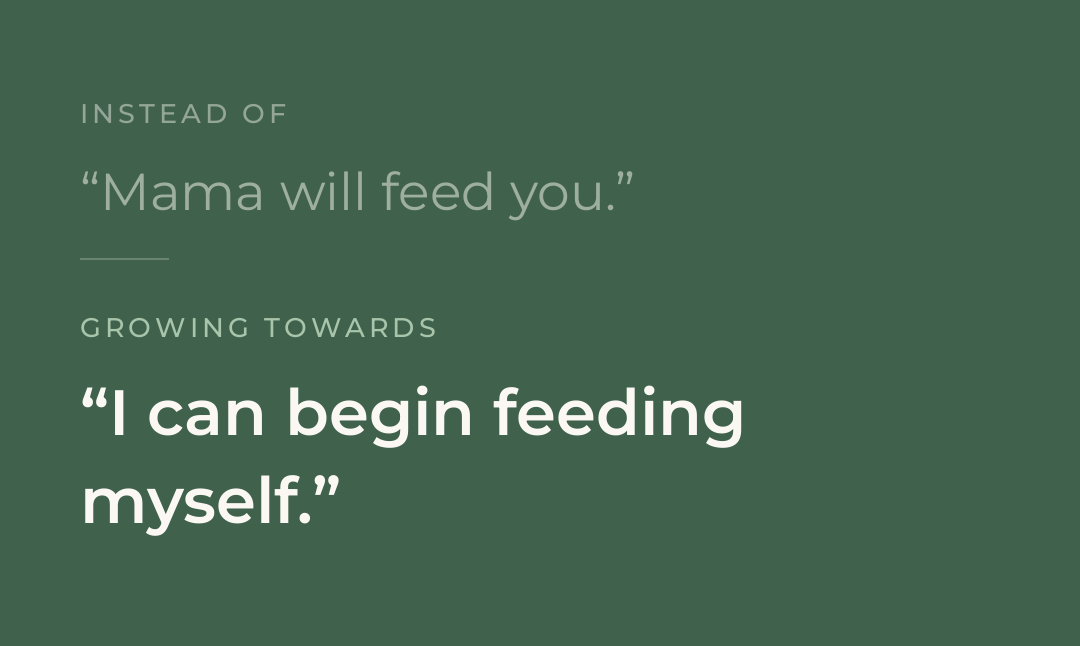
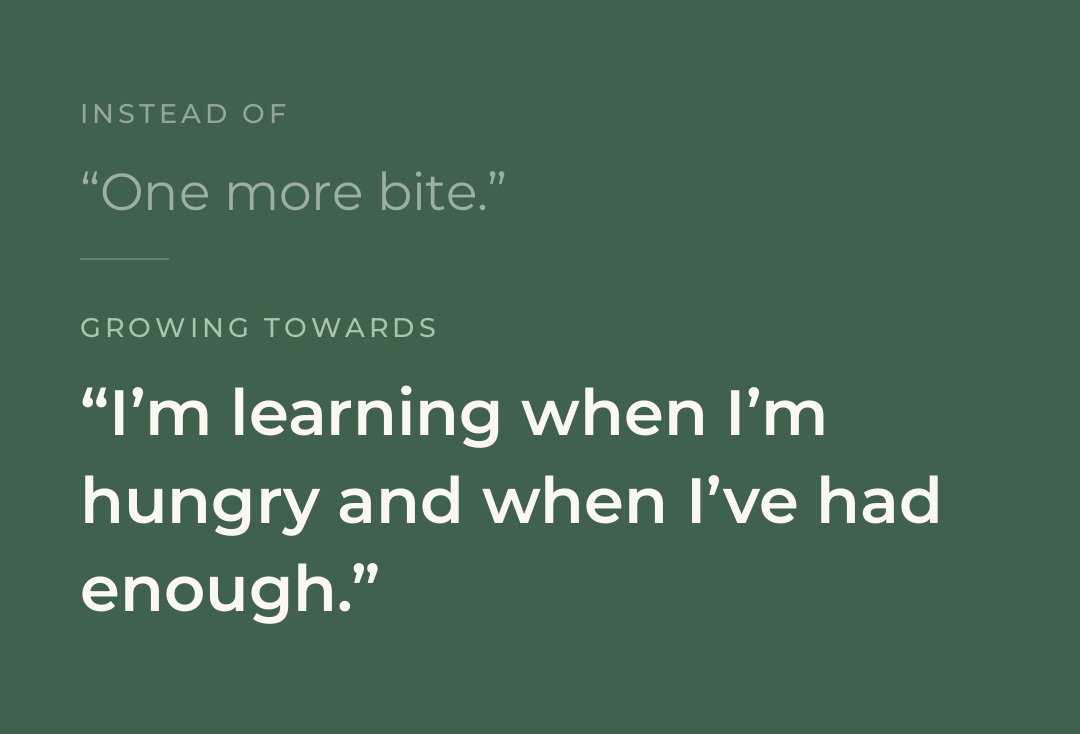
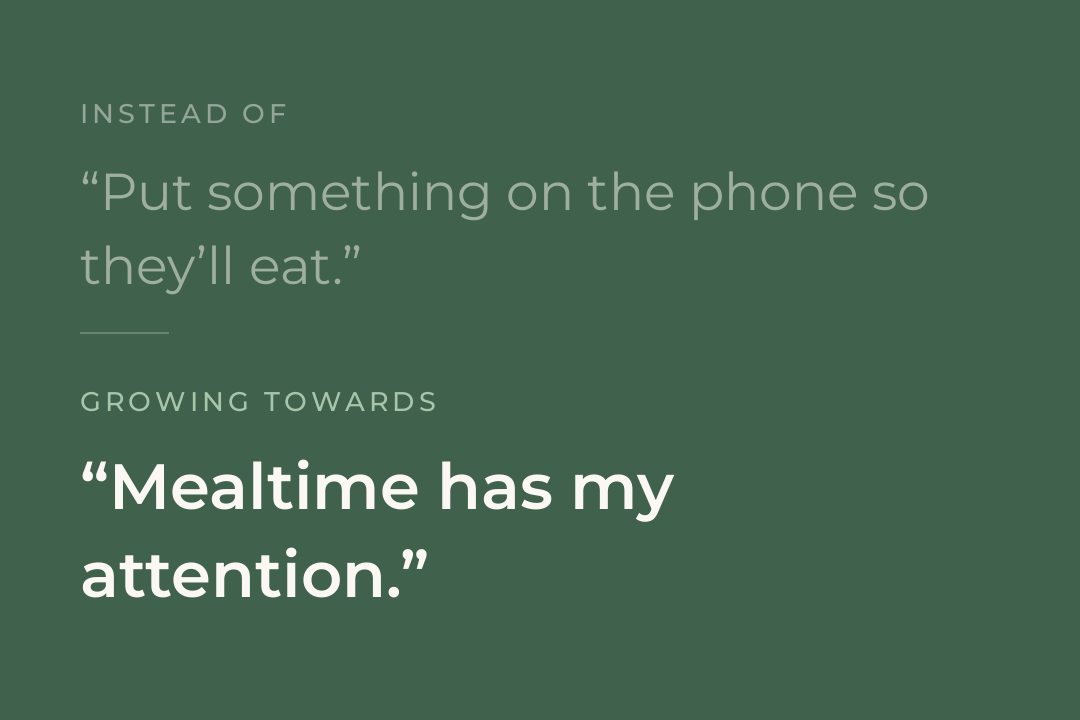
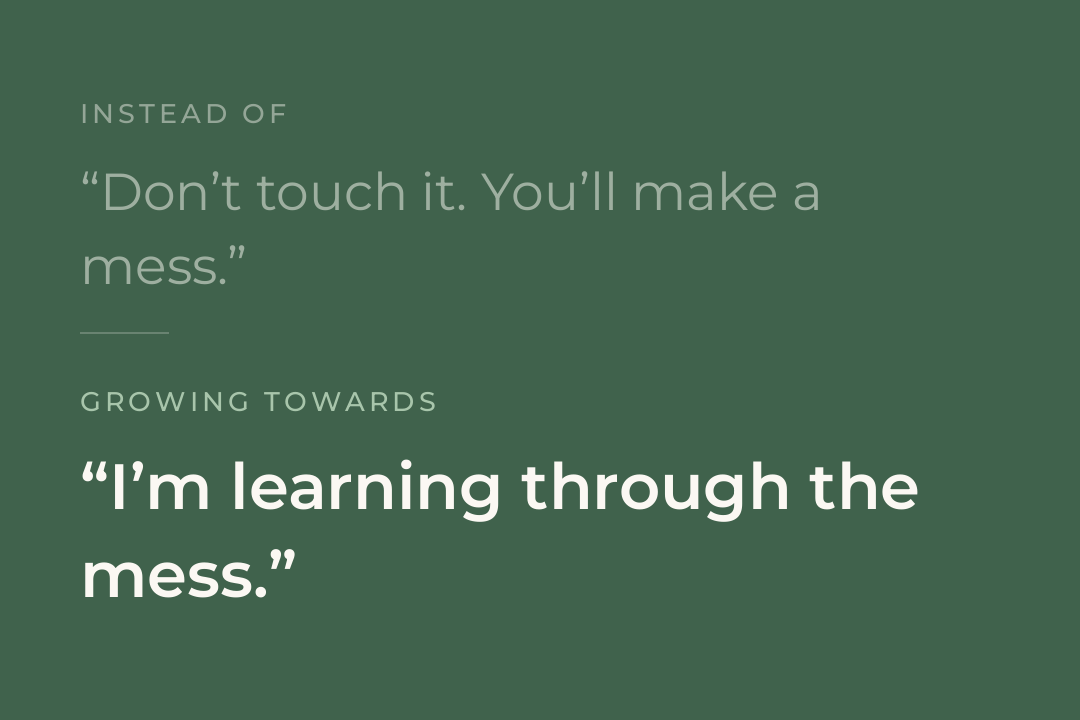

PARTICIPATION

TRUST

CONCENTRATION

INDEPENDENCE
What if eating didn't need entertainment?
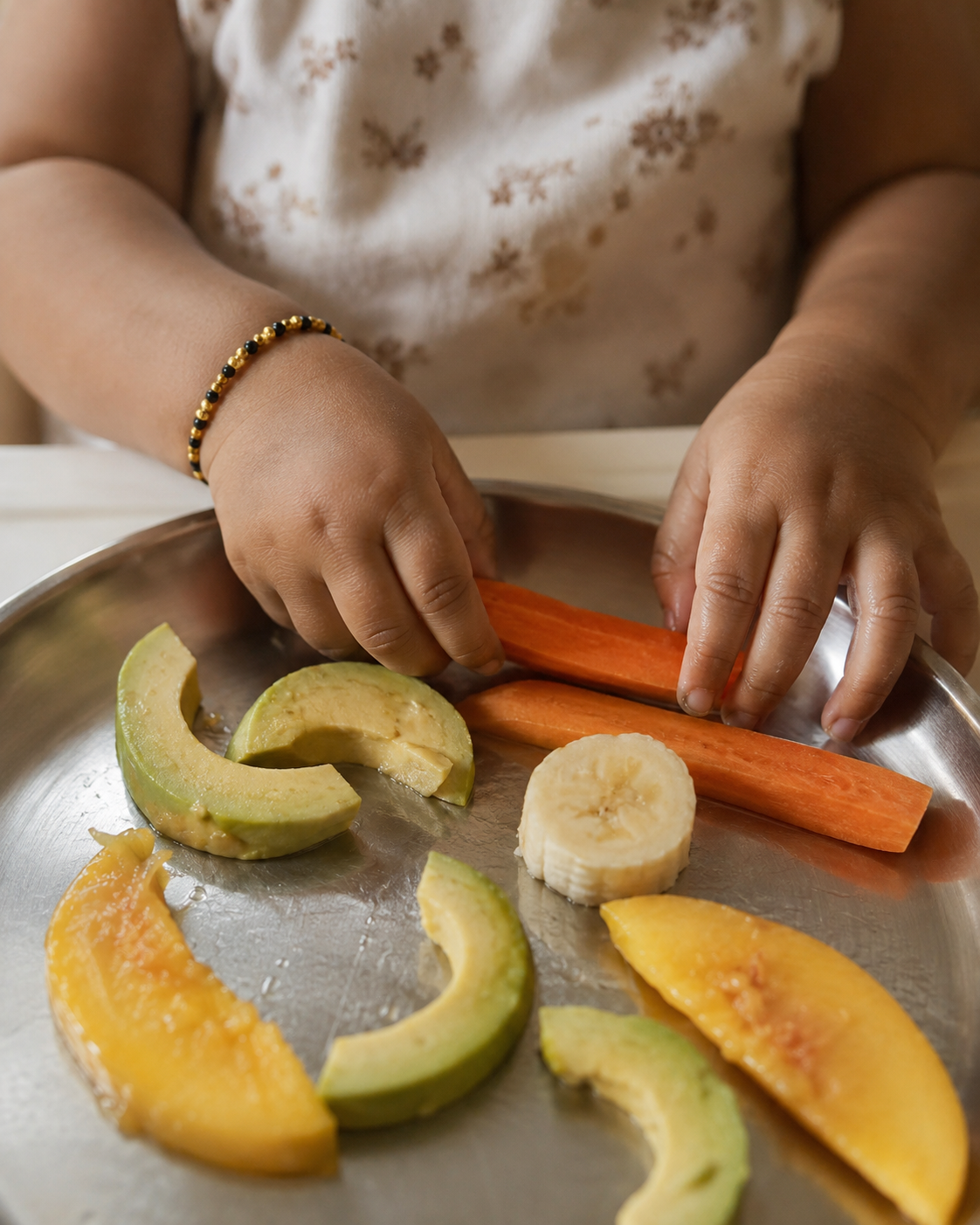
Screens can make it easier to get through a difficult meal. But Montessori approach asks us to consider what the child is doing during that meal.
-
Are they noticing the food?
-
Exploring its texture?
-
Practising bringing it to their mouth?
-
Recognising when they've had enough?
-
Participating in what is happening around the table?
Eating itself can hold a child's attention. Let that sink in.
The course explores how to create calm mealtime environments that give your child the opportunity to focus on food without relying on a screen to keep them eating.
Your baby's first opportunity to become an active participant in eating.
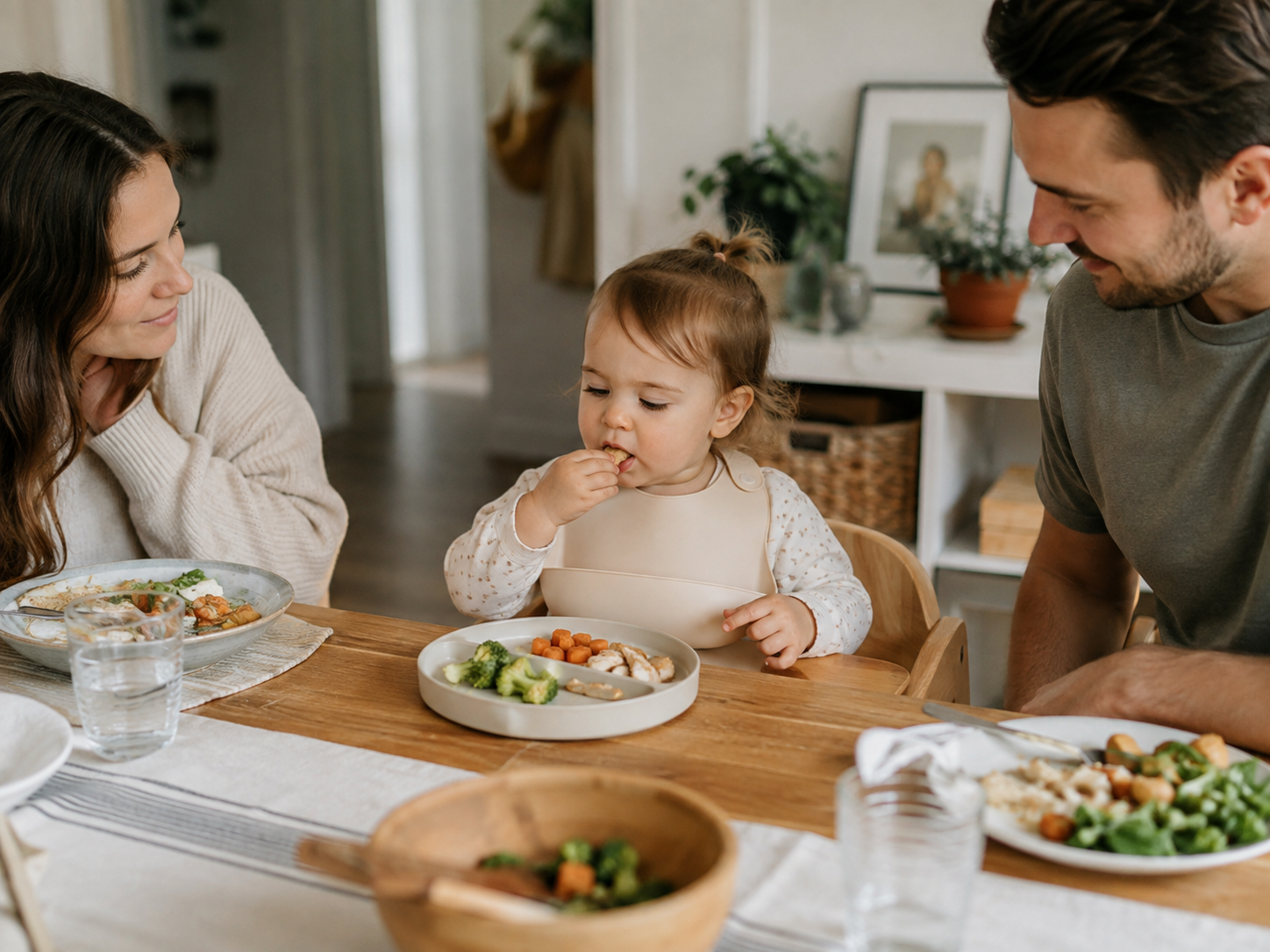
Rather than every mouthful being delivered to them, Baby-Led Weaning (BLW) can give your child opportunities to appropriately explore food and practise feeding themselves.
But Montessori Approach to Nutrition & Joyful Eating doesn't stop at BLW. Because learning to eat doesn't end when solids begin.
As your child develops, the course moves with them — from exploring food with their hands to using utensils, joining family meals, developing concentration, participating in food preparation and becoming increasingly independent at the table.
What changed at their table.

“People are genuinely surprised when they watch my son eat.”
In my culture, children are often fed by adults for a long time, so seeing my son sit independently, concentrate on his food and eat without a screen surprises people. What I love most is that it isn't just about him feeding himself. He actually pays attention to his food and enjoys being part of mealtime.
- Sabrina, Banker
“This isn't a typical nutrition course.”
It's not just about what foods to introduce or how to prepare them. It completely shifted how I think about eating itself. The focus on respect, independence and mealtimes as a learning experience helped us think about a lifelong relationship with food — not just getting through solids.
- Asha, HR
“It goes much deeper than starting solids.”
What stood out for me is the focus on building a positive relationship with food through trust, routines and respect. I hadn't seen nutrition approached this way before.
- Meera, Developer
THE MONTESSORI DIFFERENCE
Your child is capable of more than simply being fed.
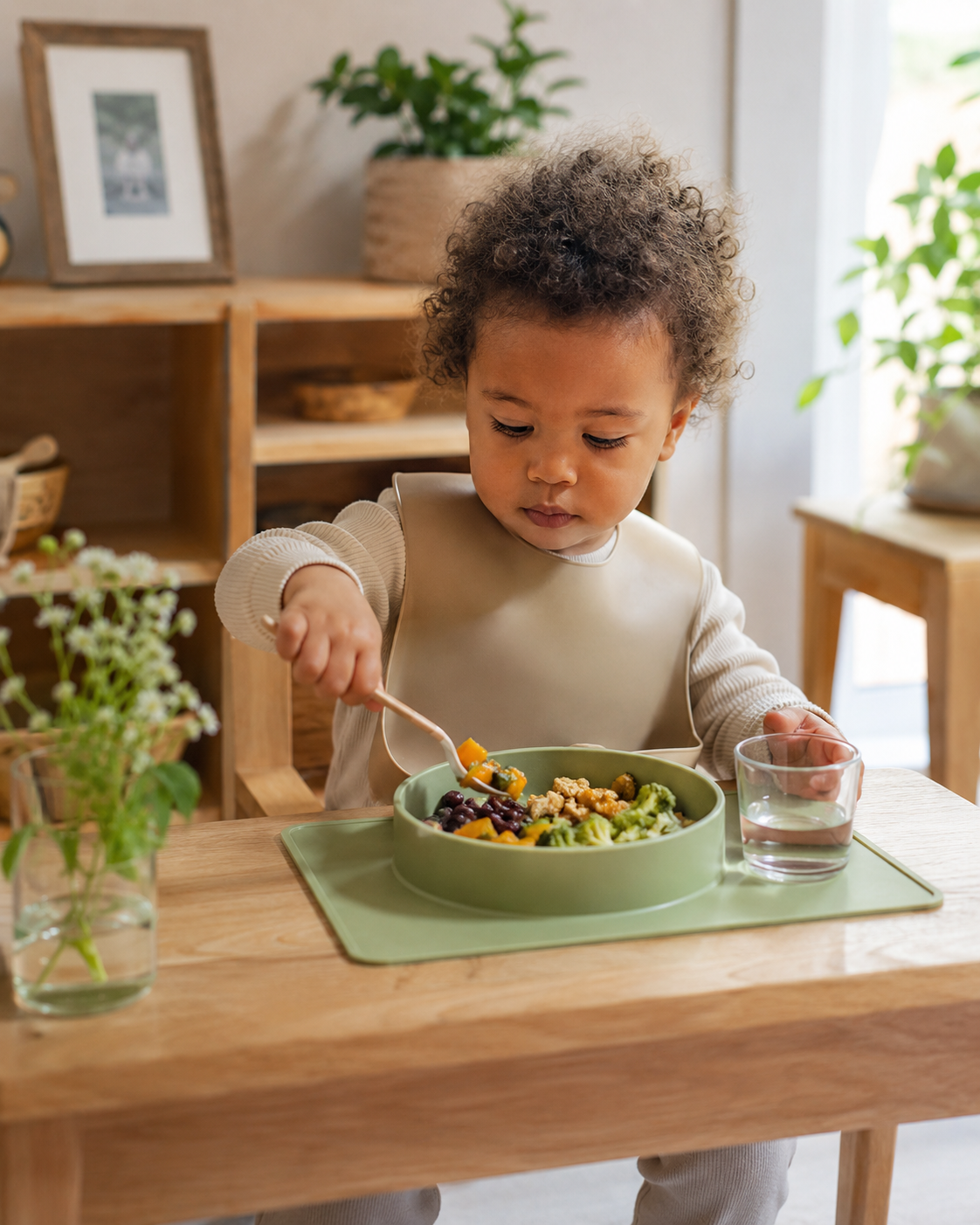
Montessori asks us to observe before intervening.
To prepare the environment.
To respect the child's developing abilities.
To offer appropriate independence.
And then — often the hardest part for a loving parent — to give them space to practise.
We bring those same principles to nutrition and mealtimes.
As your child learns to eat, you learn to step back.
GET INSTANT ACCESS
Montessori Approach to Nutrition and Joyful Eating
ONE PAYMENT · LIFETIME ACCESS
- Seven developmental stages, birth to 2 years
- Watch at your own pace, keep it forever
- Every future update to the course, free
14-day no questions asked guarantee. If it isn't right for your family, email us within 14 days and we'll refund you in full.
Questions you may have before you begin.
Is this a Baby-Led Weaning course?
My child has already started solids. Is it too late?
Will this tell me exactly what foods my baby should eat?
Does this course promote screen-free eating?
Is this medical or nutritional advice?
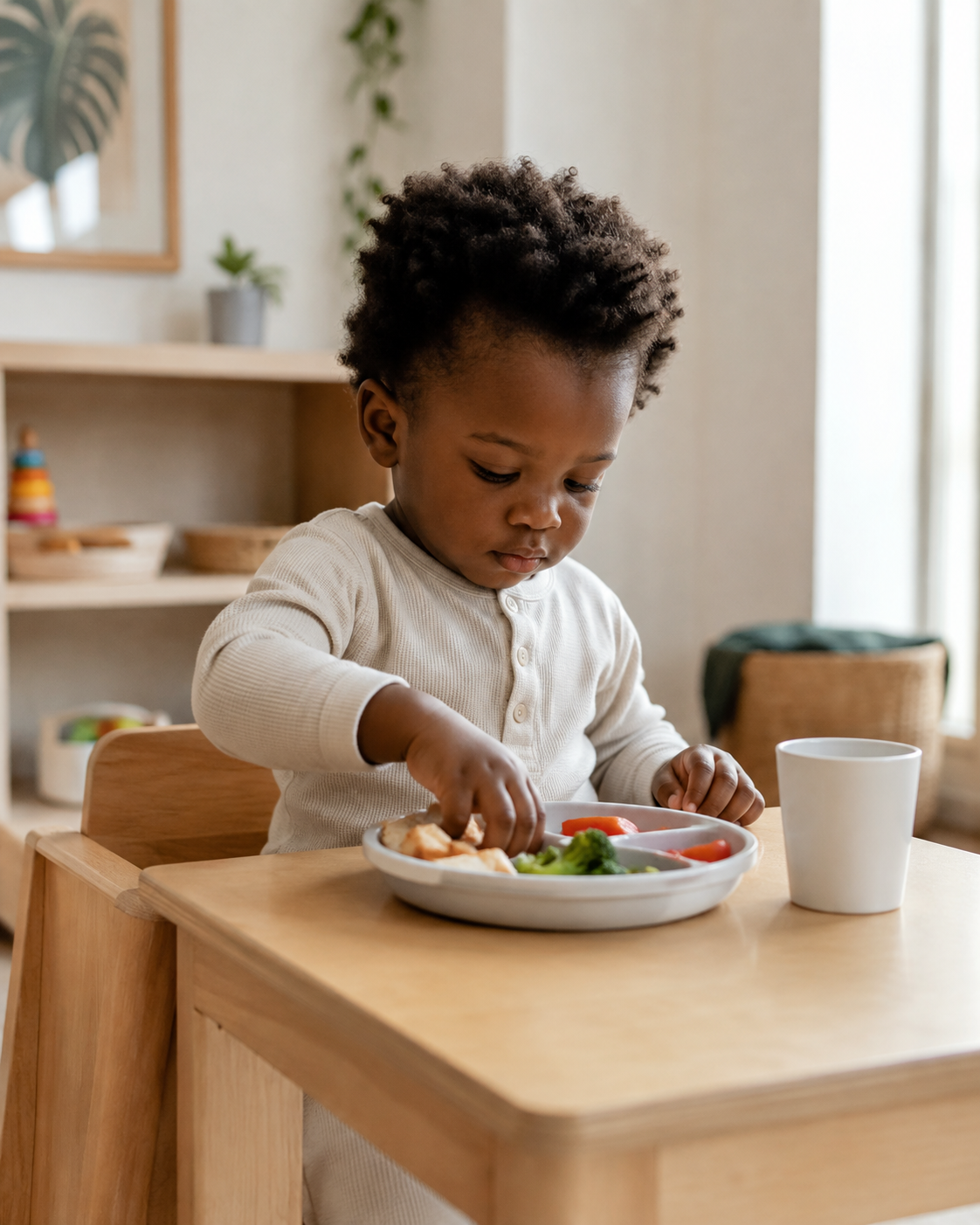
One day, they won't need you to feed them. But what they learn while you are beside them can travel much further.
Give your child opportunities to explore.
To participate.
To listen to their body.
To concentrate.
To do more for themselves.
And to discover that food can be something to enjoy, respect and share.
Because the goal isn't simply a child who eats. It's a child who is learning how to eat.